



 English

In modern manufacturing Industries, precision mould parts play a critical role in ensuring stable, repeatable, and high-quality production. These components are essential elements of precision moulds and components systems used in injection moulding, stamping, and die-casting applications.
With the increasing demand for tighter tolerances and complex geometries, manufacturers rely heavily on precision mold parts, precision mold components, and advanced machining technologies such as High Precision CNC Machining to achieve consistent performance.
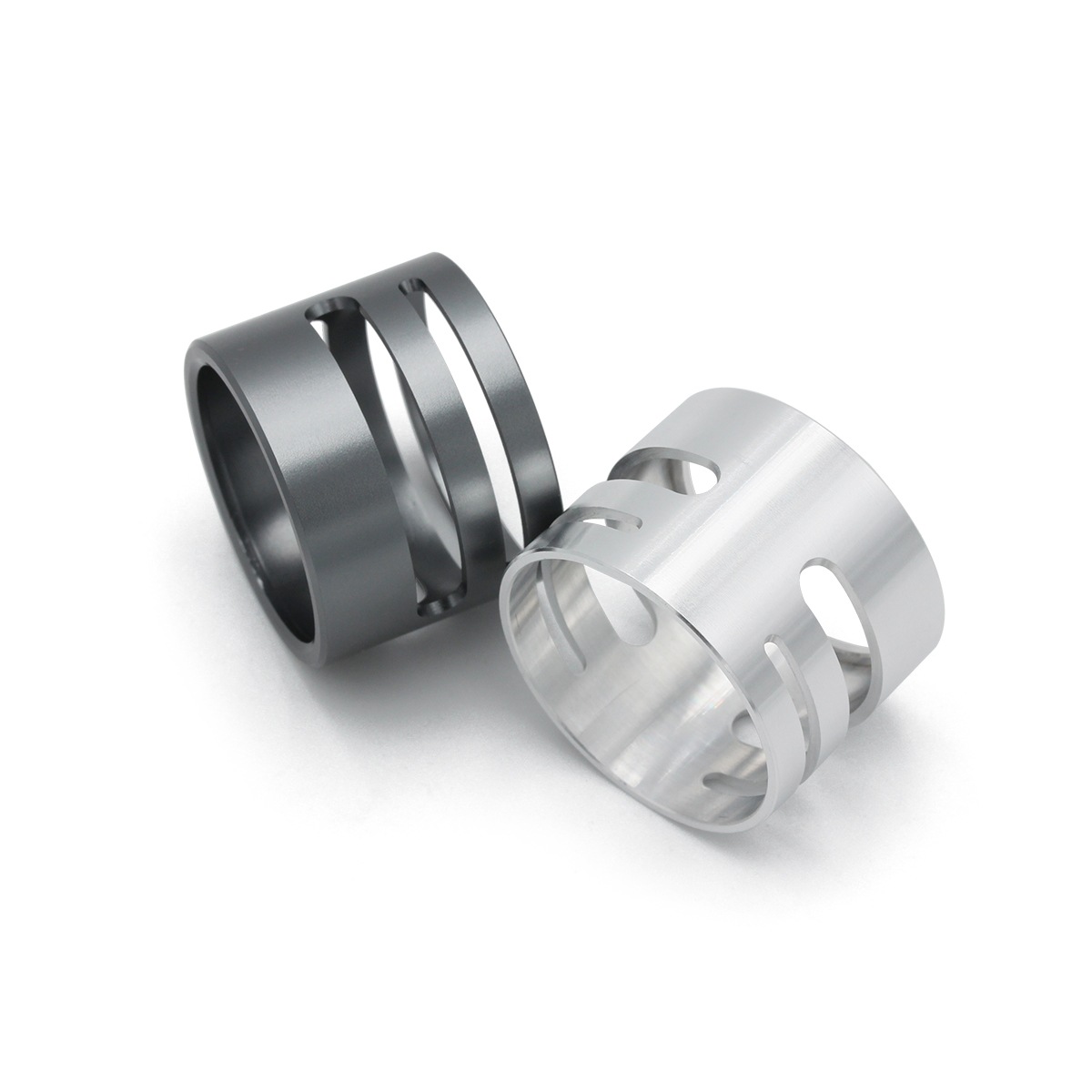
What Are Precision Mould Parts?
Precision mould parts refer to high-accuracy components used inside mould systems to support forming, guiding, ejecting, and positioning functions during mass production.
These parts must maintain extremely tight tolerances and high wear resistance to ensure mould stability and long service life.
Common examples include:
guide pins and bushings
ejector pins
core inserts
cavity components
wear plates
locating elements
Together, these form the backbone of precision moulds and components systems.
Precision Mold Parts and CNC Manufacturing Technology
Modern production of precision mold components relies heavily on advanced CNC technology. Among the most important processes are:
High Precision CNC Machining
High Precision CNC Machining ensures extremely tight tolerances and stable repeatability, which is essential for mould applications.
CNC Precision Turning
CNC Precision Turning is widely used for producing cylindrical mould parts such as pins, sleeves, and shafts with high concentricity.
CNC Machining Precision Machining
Through CNC Machining Precision Machining, complex geometries and micro-level features can be achieved with high efficiency and accuracy.
These technologies allow manufacturers to produce reliable CNC Precision Components for demanding industrial environments.
Custom Precision Machined Parts
Many industries require non-standard solutions. Custom Precision Machined Parts are designed based on customer drawings, Material requirements, and functional applications.
These custom parts are widely used in:
automotive mould systems
electronic device manufacturing
industrial automation
medical equipment
Custom machining ensures that every component meets specific assembly and performance requirements.
Materials for Precision Mould Components
Material selection is critical for performance and durability. Common materials include:
Metal Components
Precision Machined Aluminum Parts – lightweight, corrosion-resistant, and easy to machine
Stainless steel (CNC Stainless Steel Parts) – high strength and corrosion resistance
Tool steel – high hardness and wear resistance
Plastic Components
CNC Precision Plastic Parts – POM, PTFE, Nylon, Peek for insulation, wear resistance, and lightweight applications
Fastening Elements
Custom Screws and Nuts – precision fasteners used in mould assembly and industrial equipment
Each material is selected based on strength, temperature resistance, and application requirements.
Special Precision Components
Precision Shoulder Screw
A Precision Shoulder Screw is a critical mould component used for alignment, rotation, and positioning. It provides accurate spacing and smooth movement in mechanical assemblies.
CNC Precision Components
CNC Precision Components cover a wide range of machined parts used in mould systems, ensuring high dimensional accuracy and reliability.
Applications of Precision Mould Parts
Precision mould parts and precision mold parts are widely used across industries:
Injection moulding industry
Automotive manufacturing
Aerospace components
Medical device production
Electronic product housing
Industrial machinery systems
Their accuracy directly affects product quality and production efficiency.
Quality Control and Precision Standards
To ensure high performance, all precision mould parts undergo strict inspection processes:
Tolerance control up to ±0.005 mm
CMM (Coordinate Measuring Machine) inspection
Surface roughness testing (Ra 0.2–1.6 μm)
Hardness testing and material verification
Full dimensional inspection before shipment
This ensures stable performance of all precision mold components in production environments.
Precision mould parts, including precision mold parts, precision mold components, and precision moulds and components, are essential for modern manufacturing systems. With the support of High Precision CNC Machining, CNC Precision Turning, and advanced materials such as Precision Machined Aluminum Parts, manufacturers can achieve high efficiency, durability, and consistency.
From Custom Precision Machined Parts to CNC Precision Plastic Parts and CNC Stainless Steel Parts, precision engineering continues to drive innovation in global manufacturing industries.
FAQ – Precision Mould Parts
1. What are precision mould parts used for?
Precision mould parts are used in mould systems to support forming, guiding, positioning, and ejection functions. They ensure stable and accurate production in injection moulding, stamping, and die-casting processes.
2. What is the difference between precision mold parts and precision mold components?
There is no strict difference. Precision mold parts and precision mold components are often used interchangeably. Both refer to high-accuracy parts used inside mould systems to ensure performance and durability.
3. What materials are commonly used for precision mould parts?
Common materials include tool steel, stainless steel, aluminum, and engineering plastics. Examples include CNC Stainless Steel Parts, Precision Machined Aluminum Parts, and CNC Precision Plastic Parts, depending on application requirements.
4. What manufacturing methods are used for CNC precision components?
CNC Precision Components are typically produced using High Precision CNC Machining, CNC Precision Turning, grinding, EDM, and heat treatment processes to ensure tight tolerances and high surface quality.
5. Can you produce custom precision machined parts?
Yes. We specialize in Custom Precision Machined Parts based on drawings, samples, or technical requirements. Custom solutions are widely used in automotive, electronics, and industrial equipment industries.
6. What is a precision shoulder screw used for?
A Precision Shoulder Screw is used for positioning, alignment, and controlled movement in mould assemblies and mechanical systems. It ensures accurate spacing and smooth mechanical operation.
7. What tolerance can you achieve for CNC machining precision parts?
We can achieve tight tolerances up to ±0.005 mm depending on the material and part complexity, ensuring high accuracy for all CNC Machining Precision Machining projects.
8. Do you support both metal and plastic precision parts?
Yes. We manufacture both metal and plastic components, including Precision Machined Aluminum Parts, stainless steel parts, and CNC Precision Plastic Parts such as POM, Nylon, PTFE, and Peek.
9. What industries use precision moulds and components?
Precision moulds and components are widely used in automotive, aerospace, medical devices, electronics, industrial machinery, and consumer product manufacturing.
10. What is the advantage of CNC machining for precision mould parts?
High Precision CNC Machining ensures consistent accuracy, repeatability, and efficient production of complex geometries, making it ideal for high-quality mould components.