



 English

When you're investing in custom CNC-machined parts or precision fasteners, the surface finish you choose is just as important as the Material and dimensional accuracy. At Jiesheng Hardware, we see it every day: two identical components can have drastically different service lives depending on how they're protected against corrosion.
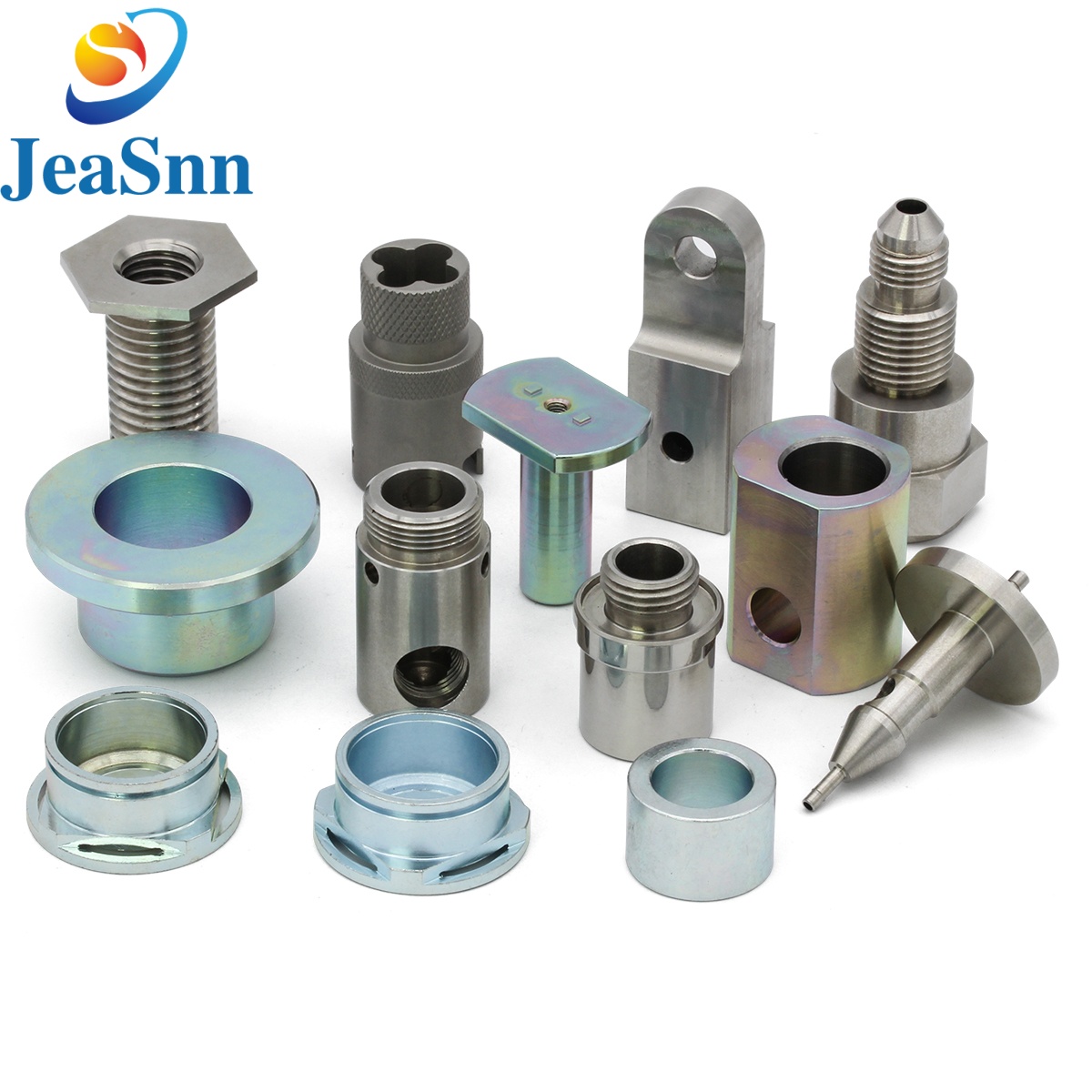
Zinc plating is one of the most popular and cost-effective finishing solutions for Steel components—especially for threaded fasteners like custom bolts, nuts, washers, and shafts. But there's a lot more to it than just dipping parts in a bath. Here's everything you need to know about zinc electroplating for your custom metal parts, from the process itself to passivation options and critical considerations like hydrogen embrittlement.
What Is Zinc Electroplating?
Zinc electroplating, also called galvanic zinc plating, is an electrochemical process that deposits a thin layer of zinc onto the surface of a steel or iron part. This is typically done by immersing the parts in a rotating drum submerged in an electrolyte solution. The parts are given a negative charge, while zinc bars or sheets in the tank are positively charged. The Electrical current transports zinc ions to the negatively charged steel parts, forming a uniform coating.
At Jiesheng, we offer zinc plating as a standard post-processing option for our custom CNC-machined components. The typical thickness for threaded fasteners ranges from 3 to 20 microns—enough to provide robust protection without interfering with thread fit
Why Zinc? The Science Behind Corrosion Protection
Zinc isn't just a shiny coating—it provides actual electrochemical protection to the underlying steel.
Here's the key: zinc is less noble than steel. That means it acts as a sacrificial anode. When the coating is scratched or damaged, the zinc corrodes preferentially, donating electrons to the exposed steel and preventing rust from forming. This is called cathodic protection.
This is a major advantage over coatings like nickel, chromium, or copper, which are more noble than steel. Those coatings only provide a physical barrier—if moisture reaches the steel through a pore or scratch, rust will form under the coating and spread.
That's why zinc plating is the go-to choice for protecting steel custom fasteners, brackets, and hardware components from oxidation and industrial environments
Passivation: Sealing the Deal
Immediately after zinc plating, a passivation layer (often called a chromate conversion coating) is applied. This ultra-thin layer—about 0.1 microns—seals the pores in the zinc and significantly improves corrosion resistance
The Hidden Danger: Hydrogen Embrittlement
This is one of the most critical considerations when zinc-plating high-strength steel parts.
The electroplating process generates hydrogen ions. Some of these can diffuse into the metal and form hydrogen molecules, causing internal stress within the material. For high-strength steels—typically those with a tensile strength ≥ 1000 MPa or hardness ≥ HV320—this can lead to hydrogen embrittlement.
Hydrogen embrittlement is a delayed failure mechanism. A part may appear fine for hours or days, then suddenly fracture under load—even if the load is below its design limit.
How We Prevent It
At Jiesheng, we follow ISO 4042 standards for our zinc plating processes. High-strength components are baked immediately after plating—typically within one to four hours—at a temperature of 200°C to 230°C for several hours to drive out the hydrogen.
For critical components, we recommend experimental validation of baking parameters (time and temperature) based on part geometry, size, and material properties.
It's important to note that baking reduces the risk—it doesn't eliminate it entirely. For the most critical applications where hydrogen embrittlement risk is unacceptable, we may recommend alternatives like zinc flake coatings
Design Considerations for Zinc-Plated Parts
If you're ordering custom machined parts with zinc plating, here are a few design tips to ensure the best results:
Account for plating thickness on threads. Zinc plating adds material—typically 5 to 15 microns for threaded steel hardware. This buildup can affect thread fit if not considered in the design. Our engineering team can provide DFM feedback to ensure your custom screws, bolts, or nuts will still assemble correctly after plating.
Define plated zones clearly. If certain areas (like critical mating surfaces or fine-thread sections) must remain unplated, mark them as "no-plate zones" on your drawing. These areas will be masked during processing.
Rack marks and contact points. Parts need Electrical contact during plating, which may leave small marks at contact points. Where possible, specify acceptable contact locations on non-cosmetic surfaces
Why Choose Jiesheng Hardware for Your Zinc-Plated Custom Parts?
At Jiesheng Hardware, we've been delivering precision CNC-machined components and custom fasteners for over 20 years. Our ISO 9001:2015 and IATF 16949:2016 certifications ensure that every part—from raw material inspection to final plating—meets rigorous quality standards.
Our zinc plating services include:
Multiple passivation options: Clear/blue, yellow, black, and RoHS-compliant Cr(III) thick-layer.
Hydrogen embrittlement relief: Controlled baking for high-strength steel components.
Full traceability: Our quality control system tracks every batch from incoming material through final inspection.
Fast turnaround: Prototype samples available in as little as 30 minutes—with production quantities shipped on time, every time.
Ready to Protect Your Custom Parts?
Whether you need zinc-plated custom bolts, custom nuts, CNC-machined brackets, or precision shafts, Jiesheng Hardware delivers quality and reliability. Upload your 2D drawing or 3D CAD file today for a free technical evaluation and plating recommendation.engineer@cncpartschina.com Let's make sure your parts perform—in the field and over the long haul