




 English

High-volume manufacturing performance relies on factors beyond merely machining cutting speeds. Automated bar feeding minimizes work stoppages during CNC Turning by eliminating frequent stock reloading, lifting machine utilization, and stabilizing output consistency. For OEM buyers procuring custom CNC machined components, this technology delivers dependable lead times and favorable production pricing.
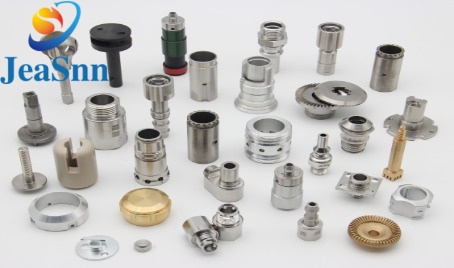
1. What Is Bar Feeding in CNC Turning?
Bar feeding is an automated method to feed raw bar stock into CNC turning equipment, removing repeated manual workpiece loading. The feeder pushes metal bars through the spindle all the time. The lathe does turning, facing, threading, and other types of machining before cutting off the pieces. The bar moves forward again for the next time.
This way of working can be done over and over again. It is good for making lots of metal parts that are shaped like cylinders. These parts include shafts, bushings, fasteners, and fittings. Understanding this process helps people who are buying things to pick manufacturers that have reliable custom machining services.
2. How Automatic Bar Feeding Boosts Production Productivity
2.1 Cutting Non-Cutting Time
Bar feeding’s primary benefit lies in slashing machine idle time caused by manual Material loading. Manual workflows demand operators handle, position, and clamp workpieces repeatedly; these steps add downtime without creating finished components.
Automatic bar feeders deliver continuous material supply and greatly cut such disruptions. After a CNC lathe has been set up, it can run cycles while the operator has to do very little work. When a factory makes a number of custom CNC parts, small cuts in idle time add up to a big difference. For instance, if a company makes ten thousand parts and saves ten seconds on each part, that translates into around twenty‑seven point eight machine hours saved. How much real saving you get depends on the shape of the part, how the machine is loaded, and how long each cycle is. How the machine is set up. That is why production planning must look at the manufacturing cycle instead of focusing only on cutting speed.
2.2 Raising Spindle Utilization
CNC turning centers create value only during active machining. Long idle periods lower effective throughput. Bar feeders help reduce the need to stop machines for refilling stock, which leads to increased spindle use. Magazine-style bar feeders store multiple bars, permitting extended machine runs with minimal operator oversight. Fabricators of Custom Shafts, bushings, and fasteners can raise throughput by maximizing spindle utilization, eliminating the need for extra machine purchases. Even so, bar feeding systems do not remove every production pause. Tool swaps, chip removal, quality verification, setup modifications, and machine alarm resolution all take time and must be accounted for in production planning. To get the most out of productivity, it's important to use bar feeders with good tool life management, efficient chip removal, smooth part collection, and regular preventive maintenance on the machine.
2.3 Enabling Extended Unattended Machining
With reliable machine status, safety interlocks, and process controls, bar-fed turning supports long production cycles requiring less oversight. It fits repeat orders with stable designs and predictable raw material demands. Operators spend less time reloading bars and can oversee quality, prepare upcoming jobs, or manage several machines simultaneously. This delivers scalable manufacturing for OEM buyers. Once custom parts are validated and programs tuned, recurring batches can be scheduled more efficiently. Even for unattended operation, monitoring, tool wear thresholds, alarm protocols, and inspection routines remain necessary. Automation guarantees consistent results only under fully controlled processes.
3. Which Custom Metal Parts Fit Bar-Fed CNC Turning?
Bar feeding delivers performance for parts machined from continuous bar stock. Process feasibility is governed by component geometry, starting bar stock size, machining intricacy, and production batch quantity.
3.1 Precision Shafts
Shafts are Bar-fed CNC Turning components with steps, grooves, threads, and bearing journals. From production experience, this process works well for making motor and automation‑grade shafts. You must keep tolerances tight, keep parts concentric, and keep them straight. Thin shafts need support to stop vibration. Complicated shapes may need extra milling.
3.2 CNC Bushings and Sleeves
Cylindrical bushings and sleeves made of aluminum, brass, or stainless steel demand precise inner and outer diameters. Cross holes or keyways will need follow‑up drilling or milling work.
3.3 Custom Fasteners
Bar-fed CNC Turning works well for custom studs, pins, and cylindrical threaded fasteners. Standard high‑volume screws are often cheaper via heading. Suppliers assess drawings, quantity and tolerances to select the manufacturing route.
3.4 Connectors & Fittings
Connectors & Fittings like pneumatic fittings and sensor housings with threaded features fit well with Bar-fed CNC Turning. Live tooling or secondary operations can add features. Material traceability and surface finishes are critical for service conditions.
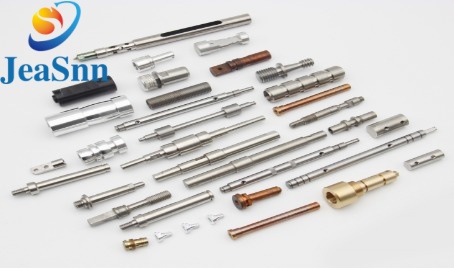
4. Material Selection for High-Volume CNC Turning
Material selection for high-volume CNC turning is very important. The choice of material affects how the machine cuts, how long the tools last, the feel of the surface, how well the size stays the same, and how much the whole job costs. Choosing the material grade means balancing how easy it is to machine with how the part will work in real life. It is not enough to pick a stock that is easy to cut.
Typical material choices include 6061 aluminum for housings, brass for parts that must resist corrosion, 303, 304, and 316 stainless steel for levels of corrosion protection, carbon steel for cheap mechanical parts, and alloy steel for heavy‑load workpieces.
Make sure the material grade matches the place where the part will be used. For CNC production orders, use bar stock that's easy to find and has consistent metal properties. This reduces scrap. Gives reliable results. When you send out RFQs, state the material grade, name the applicable standards, describe the stock, state mention any heat treatment needed, and provide the required material certifications.
5. Core Parameters Impacting Bar-Fed CNC Turning Productivity
Automated bar feeding lays the foundation for continuous machining, but a range of other factors determine the actual productivity of turning operations.
5.1 Bar Dimensions and Straightness
The bar feeder has to be compatible with the CNC lathe’s spindle bore, bar diameter and raw stock length. Straightness and consistent bar dimensions are also vital. I think that excessive runout, bent stock, or inconsistent diameters will cause vibration, feeding failures, and dimensional deviations. Before mass production, manufacturers must check that the bar stock, the feeding system, the part design and the machine configuration all match.
5.2 Cutting Tools and Tool Service Life
The choice of cutting tools affects how fast the machine can cut, how much material it can remove, the quality of the surface, and how often the tools need to be changed. Different materials need different ways of cutting. Aluminum allows for cutting. Stainless steel creates a lot of heat and needs better tool shapes and cutting settings. When you make the parts times watching how long the tools last helps avoid tools breaking and keeps parts from being ruined by old cutting edges. A good plan for managing tools gives benefits beyond just making the machine faster without checking the whole process.
5.3 Chip Handling and Coolant Regulation
Turning machines make chips all the time during production. Long and twisted chips can stop the cutting process, damage the parts, and cause the machine to stop. Using the right kind of cutting edges, chip breakers, the right cutting settings, and enough coolant keeps the process running smoothly. Getting rid of chips is more important during long runs when the machine is not being watched because small problems can get worse and cause big delays in large batches.
5.4 Workholding and Part Retrieval
Chucks, collets, support systems, and parts that fit into the machine must all work together to hold the bar properly. If they are not lined up right or if they do not hold the bar well, it can cause shaking, wrong sizes, and poor surfaces. Parts that are thin or long often need care. Also, taking the parts out matters. If the parts pile up near the machine or need to be picked up, the production line can still have problems even if the bar is feeding automatically.
5.5 Inspection and Process Governance
When making a lot of parts, you can’t just check them at the end. You need to control the process step by step. A full inspection plan includes checking the part, measuring parts while they’re being made, tracking tool wear, and doing final checks based on blueprints and customer quality rules. Important features to check are sizes, lengths, thread shapes, roundness, and surface smoothness. For custom metal parts made for OEMs, clear rules for what’s written in inspection steps help avoid rework, stop quality arguments, and make repeat orders more reliable.
6. Design Guidelines for Custom Parts Optimized for Bar-Fed Machining
Design for Manufacturability, also known as DFM, helps engineers build parts that meet the required functions. Design for Manufacturability also removes machining steps and reduces waste of raw material.
Below are core design suggestions for custom CNC turned parts. Standardize part diameters and choose commercially available bar stock to simplify material handling and raise material yield.
Evaluate slender profiles and deep bores, which may demand custom tooling, extra support, or reduced cutting speeds. Leave adequate tool access; sharp internal corners and narrow grooves often call for special cutters or secondary processes. Clearly define thread specifications including standards, dimensions, pitch, tolerances and inspection rules.
Assess cross holes, flats, milled features and surface finishes at the RFQ phase, and assign strict surface roughness requirements only to functional surfaces. These DFM principles support precise cycle-time estimation and early part optimization prior to mass production.
7. Improve High-Volume Production with the Right CNC Turning Strategy
Using bar feeding can help manufacturers reduce downtime from loading parts, make use of the spindle, and keep repeat CNC turning jobs running more smoothly. This works best when the part shape, material supply, tooling, inspection steps, and production schedule all work together.
For OEMs who need custom shafts, bushings, screws, spacers, and other precision metal parts, choosing the manufacturing method is important. It helps maintain quality and keeps costs under control.
At CNC Parts China, we produce custom metal parts based on your drawings. We take into account how you plan to use the parts. Whether you need a prototype, a small batch, or regular production runs, our team will review your part details. Discuss the best CNC Machining options for your needs.
Email:engineer@cncpartschina.com
Ready to make your custom metal component? Send us your 2D drawings, 3D CAD files, material preferences, and the number of parts you plan to order. We’ll look for ways to save money and build a production plan that fits your project.