




 English

Chicago screws are also called binding posts, sex bolts, barrel nuts, or male and female screws, used to fasten multiple parts tightly. Unlike regular screws, they are made up of a male screw and a threaded female barrel, creating tidy connections that can be taken apart. Custom Chicago screws are popular for leather goods, lamps, electrical equipment, machinery, furniture, safety gear, and various industrial assemblies.
All parameters, including dimension, length, head geometry, thread criteria, Material and surface treatment, are configurable per project demands.
Material selection and pre-production DFM optimization enable designers and fabricators to achieve robust joints with improved cost efficiency.
This guide shows the kinds of Chicago screws, the metals that can be used for industrial jobs they fit, and the high-quality Design for Manufacturing points. It also looks at how professional CNC machining can help make high‑quality custom Chicago screws.
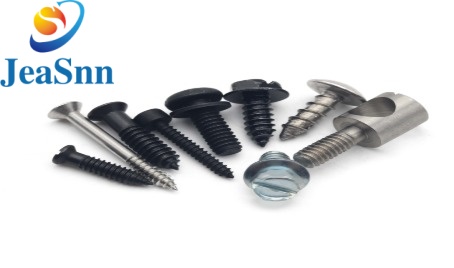
1. What Are Chicago Screws?
Chicago screws are two‑part fasteners made of a male screw and a threaded female barrel.
The male part turns into the part holding the parts together between their two heads.
Chicago screws differ from bolts and nuts because the female part usually has a smooth round outside and a built‑in head instead of a typical hex shape.
A typical Chicago screw includes the following components:
Male Screw: The threaded part that fits into the female barrel.
Female Barrel: A part that holds inside threads.
Head: The top that holds the parts together and shows how the fastener looks.
Threaded Connection: The matching thread that lets Chicago screws be put together and taken apart.
The plain two‑part design makes Chicago screws good for jobs where parts must be put together, kept, or changed without hurting the parts.
Unlike fixed rivets, custom Chicago screws give a joint. Chicago screws are especially handy for parts that need upkeep, swapping, or adjustment.
2. Common Types of Custom Chicago Screws
Styles of Chicago screws are made for different jobs. Choosing the right one helps speed up assembly, improves how well the parts stay connected, and gives a better look.
2.1 Standard Chicago Screws
They consist of a mating screw and female barrel. They perform excellently when fastening leather, plastic, paper, and thin sheet metal. Popular applications include bookbinding, leather accessories and general fastening tasks. Barrel length, thread specification, head dimension and material can all be customized according to customer drawings.
2.2 Flat Head Chicago Screws
These have a low-profile head that lies close to the surface. This means they don’t stick out, so they don’t interfere with parts or ruin the look. They are used in leather bags, belts, bookbinding, sheet metal, parts, and electronics cases. Designers must plan space for the head and define its size carefully.
2.3 Round Head Chicago Screws
These have a curved domed top that looks smooth and modern. They are often used in consumer products, leather accessories, and furniture hardware. The rounded shape keeps edges from being different; head sizes give design options.
2.4 Countersunk Chicago Screws
Designed for countersunk recesses, these fasteners allow their heads to lie almost level with the workpiece surface. It is critical to align the countersink angle, head size, substrate thickness, and bore contour at the design stage. Any flawed geometry results in incomplete contact on the clamping surface and causes stress to concentrate locally.
2.5 Knurled Chicago Screws
They come with textured surfaces on the head or barrel for better hand grip, so you can mount or take them apart without tools. They fit equipment, hand jigs, removable panels, consumer fittings, and maintenance covers. The knurl pattern, depth, and spacing can be customized based on material and usage scenarios.
2.6 Custom Male and Female Binding Posts
These are mating male and female fastener assemblies calibrated for proper thread engagement. Single-source production removes uncertainties of thread interference. Modifiable parameters encompass thread specifications, barrel length, head geometry, assembled height, material selection, and surface treatments. Custom geometries can be realized from customer drawings or reference specimens.
3. Choosing the Right Metal Material for Chicago Screws
The selection of raw material dictates the mechanical characteristics, corrosion resistance, visual presentation, and manufacturing cost of custom Chicago screws. JeaSnn manufactures such fasteners out of stainless steel, brass, aluminum, carbon steel, and alloy steel to satisfy varied customer requirements. The following section outlines commonly used metal grades.
3.1 Brass Chicago Screws
Brass is popular thanks to its nice appearance, easy machining and good indoor rust resistance. It processes smoothly on CNC lathes, shows a golden color, and conducts electricity. It can also take different surface finishes. It suits leather goods, furniture decor, decorative fasteners, electrical parts and bookbinding. Designers should consider strength, thread durability and working conditions when choosing brass.
3.2 Stainless Steel Chicago Screws
Stainless steel features good rust resistance and steady mechanical performance. 304 balances anti-corrosion ability, strength, and processability, fitting most industrial and commercial hardware. With molybdenum added, 316 stainless steel resists chloride corrosion far better. It is a great choice for tough outdoor conditions. To avoid galling when the screws are assembled, it’s important to control thread clearance and machining details.
3.3 Aluminum Chicago Screws
Aluminum is great when weight is a concern. It has density, machines easily, and forms a natural oxide layer that protects against corrosion. It also takes anodizing, allowing for various colors and finishes. It’s often used in lighting fixtures, electronic cases, and light-duty consumer products. The choice of aluminum alloy depends on how much load the screw needs to hold and the environment it will be in. Also, the thickness of the layer must be considered when setting mating dimensions.
3.4 Carbon Steel & Alloy Steel Chicago Screws
Carbon and alloy steels are selected for high-strength service requirements. These grades sustain applied loads and furnish robust, wear-resistant threads for industrial mechanical systems. Surface coatings including zinc plating and black oxide mitigate corrosion. Thread geometry shall account for coating buildup to preserve functional fit between mating components.
4. DFM Setup: Design Considerations for Custom Chicago Screws
Design for Manufacturability or DFM is essential when creating custom Chicago screws. A good design must work well in use while also being easy to make, inspect, and produce in quantities. This helps improve product quality and keeps production costs
Start by marking all important dimensions on the drawings. Include screw diameter, barrel outer diameter and length, head size, thread pitch, and the overall assembled height. The barrel length should match the thickness of the materials being held together. If the barrel is too short, the joint may not be tight enough. Next, choose the thread standard—either metric or UN inch threads. Be specific about the thread type, pitch, and tolerance class. Threads like M5 and 10-32 UNF may look alike. They are not the same and cannot be used interchangeably. Mislabeling them can lead to failed assemblies.
When designing the head, consider looks, clamping strength, and the space available for tools. Complex or decorative shapes may look nice. They can slow down machining and increase costs. Keep the head design simple and functional.
Make sure the threaded barrel has wall thickness. Thin walls can weaken the screw. Cause problems during machining. A strong, durable barrel ensures long-term performance and easier manufacturing.
Choose surface treatments polishing, plating, or anodizing—based on the screw’s use environment. Clarify whether tolerances apply before or after finishing. Surface treatments can change dimensions slightly. This timing matters.
Set tolerances wisely. Only tighten tolerances on features that matter for function, like threads or mating surfaces. Applying controls to every dimension adds unnecessary cost and complexity.
Also think about how the screw will work in use. Check for tool clearance so it can be installed easily. Ensure the thread engagement is sufficient to hold under load. Consider how it behaves under vibration—some screws can loosen over time. Use -loosening features or proper thread types if needed.
Most Chicago screws are made on CNC turning machines. Stick to threads and simple shapes whenever possible. This makes them easier and faster to produce.
Before starting production, do a DFM review. Catching design errors early prevents changes later. A planned design saves time, money, and effort.
5. How Are Custom Chicago Screws Made?
Professional CNC Machining makes it possible to create precision Chicago screws that're custom-made to specific sizes and material types. The normal process has seven steps.
Step 1: Material Preparation. Raw materials such as brass, stainless steel, aluminum, carbon steel, and alloy steel are readied, with the material type completely checked before starting the process.
Step 2: CNC Turning. This step creates bodies, barrels, heads, and other round shapes, carefully controlling outer diameter, barrel length, head thickness, and how centered everything is. Male and female pieces are made based on their individual drawings.
Step 3: Thread Machining. Threads are cut on the male screw and holes are tapped or cut inside the barrel. The threading method used depends on the design and the material, and compatibility is checked to make sure the parts fit together properly.
Step 4: Secondary Machining. Extra details like drive slots, unique head shapes, and knurling are added as required by the drawings.
Step 5: Surface Finishing. The parts get polished, plated, treated with oxide, anodized, or other finishes to meet the looks and performance needs.
Step 6: Quality Check. Important details, like size, thread specifications, surface condition, and how well they fit together, are tested using calipers and thread gauges.
Step 7: Packaging and Shipping. The approved parts are packed according to customer requirements, making sure they do not get scratched during transport and making it easy to count and store quantities.
6. Custom Chicago Screws from JeaSnn: OEM and CNC Machining Solutions
JeaSnn (Jiesheng Hardware) specializes in custom precision metal parts, including Chicago screws, custom screws, precision shafts, nuts, spacers, standoffs, and CNC machined components.
With more than 20 years of manufacturing experience, JeaSnn provides OEM and ODM solutions for customers requiring customized metal fasteners and precision hardware components.
Our Chicago Screw Customization Capabilities
We can manufacture custom Chicago screws according to customer drawings, samples, or specific application requirements.
Available customization options include:
Size: M2–M24 or non-standard dimensions according to drawings and requirements.
Materials: Stainless steel, brass, aluminum, steel, and other specified metals.
Head Styles: Customized head structures according to product design.
Threads: Matching male and female thread specifications.
Surface Finishes: Plain, black, zinc-plated, and other requested finishes.
Production: OEM and ODM manufacturing.
Packaging: Standard or customized packaging solutions.
Contact JeaSnn – Custom Chicago Screw Manufacturer
Email:engineer@cncpartschina.com
Website: https://www.cncpartschina.com/
Request a Quote: Send us your drawings, samples, material requirements, and estimated order quantity. Our team will help you evaluate your custom Chicago screw project and provide a suitable CNC machining solution.