




 English

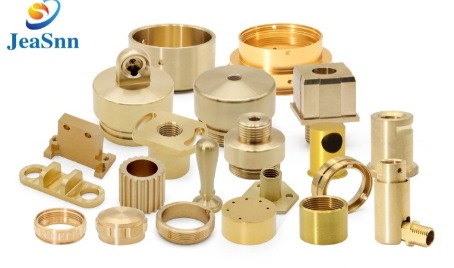
Selecting the appropriate metal alloy for custom precision-machined CNC parts is one of the most consequential engineering choices throughout product development. Within the family of non‑ferrous metals, brass and copper are widely adopted Materials, boasting exceptional Electrical conductivity, thermal performance, corrosion resistance and excellent machinability.
Though they share a comparable reddish‑gold hue and cover overlapping use‑cases, these two metals differ greatly in mechanical, physical and machining‑related traits. Picking an unsuitable alloy for your CNC‑machined custom parts may result in wasted material expenses, difficult‑to‑resolve processing issues, or even component breakdown under working loads.
As a top‑tier manufacturer of precision custom metal parts, CNCPartsChina produces high‑tolerance turned and milled components serving the aerospace, electronics, medical, fluid power, and automotive sectors. This in‑depth technical guide outlines the chemical, physical, and cost‑related distinctions between brass and copper, empowering you to select the optimal material for your upcoming CNC metal‑part project.

1. Material Fundamentals: Brass vs. Copper
Making a well‑informed material choice for your custom CNC‑produced parts starts with a clear understanding of the metallurgical makeup of these two non‑ferrous metals.
Pure Copper
Known for its striking reddish‑red color and superior thermal‑electrical conductivity, copper exists as a natural chemical element.
Commercial stock copper used for CNC custom-made components has very few impurities. Small trace additives serve to balance its ductility, corrosion resistance, and conductive performance.
Key Traits:
Unmatched electrical conduction performance, excellent heat dissipation capacity, soft ductile grain microstructure, and verified antimicrobial characteristics.
Typical CNC Machining Grades:
C10100 (OFC — Oxygen‑Free Electronic), C11000 (ETP — Electrolytic Tough Pitch), C14500 (Tellurium Copper).
Brass Alloys
Made mainly from copper and zinc, brass belongs to binary substitutional alloys. Material experts can create brass variants engineered for particular mechanical traits and better machinability through adjusting zinc ratios and adding small‑quantity additives of lead, tin, or aluminum.
Key Traits:
Superior machinability, a lustrous decorative finish, moderate tensile strength, a low friction coefficient, and built-in anti-galling properties.
Typical CNC Grades:
C36000 (Free‑Cutting Brass), C26000 (Cartridge Brass), C46400 (Naval Brass).
2. Commonly Used Material Grades for Precision CNC Machining
Choosing the correct alloy grade is critical to guarantee that your custom CNC-machined metal components satisfy relevant industry compliance requirements.
Leading Copper Grades for CNC Fabricated Parts
C11000 (Electrolytic Tough Pitch‑ETP)
Ideal applications: General-purpose electrical busbars, ground straps and thermal heat sinks.
Advantages: High electrical conductivity (100% IACS) and great cold‑forming workability.
Disadvantages: Moderate to low machinability; the material may suffer hydrogen embrittlement while being welded or brazed.
C10100 / C10200 (Oxygen Free Copper‑OFC)
Best‑suited applications: High‑vacuum electronics, semiconductor machinery and medical imaging parts.
Strengths: 99.99% ultra-high purity, free from hydrogen embrittlement risks, and excellent heat dissipation performance.
C14500 (Tellurium Copper)
Best suited applications: Precision electrical connectors, plasma cutting nozzles, welding tips, and mass-produced custom electrical parts.
Strengths: It retains pure copper grade conductivity yet achieves machinability on par with brass.
Top Brass Alloys for CNC Parts
C36000 (Free Cutting Brass)
Recommended applications: Screws, threaded fasteners, valve bodies, fluid control fittings, lock hardware and musical instrument components.
Advantages: Supports the highest machining speeds, yields smooth surface finishes and minimizes cutting tool wear.
C26000 (Cartridge Brass)
Ideal for: Deep‑drawn components, combined stamped machined parts and spring contacts.
Benefits: Remarkable ductility and excellent cold work forming properties.
C46400 (Naval Brass)
Recommended applications: Marine grade hardware, transmission shafts, subsea fasteners and heat exchanger tube sheets.
Advantages: Outstanding saltwater corrosion resistance; added tin provides protection against dezincification.
3. Application Selection Guide: Matching Alloys to Industrial‑Specific Requirements
Your primary functional performance target for custom CNC machined components will ultimately determine whether brass or pure copper is the more suitable material.
Opt for Pure Copper When Your Project Demands Any of the Following:
Superior heat dissipation performance
Heat sinks, CPU cooling blocks, welding torches and high power LED mounting bases rely on copper’s exceptional thermal conductivity.
High current carrying electrical performance
Copper’s low electrical resistance makes it the ideal choice for power distribution busbars, circuit breaker contacts, battery terminals and transformer lugs.
Antimicrobial contact surfaces
The natural bactericidal and virucidal properties of copper deliver tangible advantages for medical equipment handles, touch panels and food processing hardware.
Opt for Brass When Your Project Demands Any of the Following:
Enhanced structural strength and wear‑resistant properties
Thanks to its increased hardness and anti‑galling characteristics, brass outperforms many alternatives for gears, bushings, lock assemblies, bearings and heavy‑duty fasteners.
Reliable fluid‑control and leak‑proof plumbing performance
Brass features a dense grain structure that delivers pressure‑resistant sealing, making it well‑suited to fuel‑system fittings, pneumatic valve bodies, hydraulic manifolds and hose barbs.
Complex micro‑features and strict dimensional tolerances
Brass produces favorable chips during machining, which benefits tiny precision custom metal parts with fine internal threads, thin‑wall sections or intricate geometries.
Decorative finishes and cost‑efficient mass‑production
Lower raw‑material costs and shorter machining cycles make brass a practical solution for decorative hardware, architectural fittings and high‑volume projects with tight‑budget limits.
4. Cost Breakdown: Direct and Indirect Cost‑Driving Factors
Engineers preparing budgets for custom precision CNC‑machined components should assess the total cost of ownership (TCO). This metric accounts for not only raw‑material expenses but also machining‑related labour costs.
Raw‑material cost by weight
Copper commands a higher market commodity price than zinc. Since brass alloys may contain as much as 40 % zinc, brass raw stock carries an inherent cost advantage.
Machining cycle duration
Turning and milling operations on C36000 brass can run at speeds up to three times faster than those for C11000 pure copper. Higher spindle feed rates directly cut down machine‑hour charges.
Tool service life and maintenance overhead
Excess heat generation and built‑up‑edge (BUE) formation accelerate wear on cutting tools during copper machining. This means more frequent tool‑offset adjustments and insert replacements are required.
Cost‑saving recommendation:
You can lower total manufacturing expenses by 25%‑45% by substituting pure copper with C36000 free‑cutting brass or C14500 tellurium copper, provided your electrical part does not need to handle high‑voltage or high‑current loads.
5. Work With CNCPartsChina for Your Custom Precision‑Machined Components
Selecting the proper material for custom CNC‑machined precision parts calls for careful trade‑offs between mechanical performance, thermal requirements, electrical conductivity, and your production‑side budget.
CNCPartsChina delivers full‑cycle CNC fabrication solutions covering every stage of your project. Our service scope stretches from material consultation and DFM (Design for Manufacturability) reviews, all the way through 5‑axis CNC Milling, high‑precision Swiss turning and post‑processing surface‑finishing operations.
Broad‑Range Material Stock
We maintain ready‑to‑ship inventory of certified brass grades (C36000, C26000, C46400) and copper alloys (C11000, C10100, C14500).
Rigorous Quality‑Assurance Procedures
Our quality‑control workflow includes CMM dimensional verification, optical inspection, material test reports (MTR), and full adherence to ISO9001 standards.
Solutions From Rapid Prototyping to Mass‑Scale Manufacturing
We offer quick lead times for prototype development, alongside flexible, expandable production capacity for large‑volume orders.
Ready to Start Your Next Custom Metal Project?
Get instant DFM analysis and competitive pricing on your custom-made CNC parts today.
Upload CAD Files: Submit Your Drawing for a Fast Quote
Email Direct: Reach our engineering team at engineer@cncpartschina.com