




 English

CNC Machining lead times have an impact on product development, inventory planning, and manufacturing schedules. If a company sources custom CNC machined parts, knowing what sets delivery time can cut delays, keep costs down, and keep production reliable. A wide range of variables can either shorten or extend turnaround, including stock accessibility, part design complexity, workshop loading, inspection standards, and required post-processing finishes.
We have put together this guide to walk you through the primary factors that dictate CNC Machining lead times. You will also find practical recommendations for speeding up your custom component orders, without sacrificing machining precision or part quality.
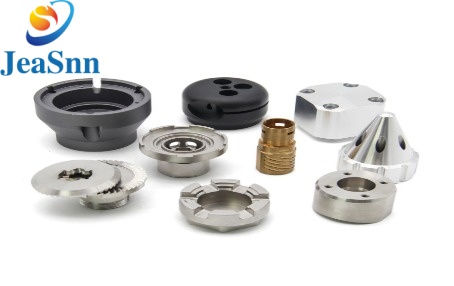
1. What Are CNC Machining Lead Times?
CNC machining lead time covers the duration from order confirmation to the agreed delivery checkpoint. Subject to supplier terms, this checkpoint can be parts ready for shipment, dispatch, or receipt at your premises. Buyers should clarify this definition while reviewing quotations.
A complete lead‑time workflow usually covers engineering review of drawings, CAD files and tolerance requirements. It also includes raw Material procurement and production preparation such as CAM programming and fixture setup. Core machining operations follow, including turning, milling, drilling and threading. After that, post‑processing, dimensional inspection, packaging and shipping are carried out.
Not every order requires each step. Simple turned parts made from aluminum move quickly through the workflow. Complex multi‑axis components that use alloys have tight tolerances and need many surface treatments and take a lot longer. Separating spindle cutting time from the lead time is essential. Even if a part needs a short cut, long waits for material, production capacity, outside finishing, or quality checks can stretch the whole schedule. Buyers should focus on the cycle from drawing approval to delivery, not just machining cycle time.
2. 8 Key Factors Influencing CNC Machining Lead Time
Custom CNC machining lead time can change a lot. The change comes from connected production steps that buyers need to check when looking at delivery dates.
2.1 Material Availability and Procurement
Common grades such as 6061/7075 aluminum, 304/316 stainless steel, brass, and carbon steel are usually kept in stock. Specialty alloys need time to get. They also need certification and traceability checks. The ease of cutting changes. Aluminum can be cut fast. Stainless steel and high‑strength alloys need cutting settings and good tools. To keep CNC machining lead time, confirm the material grade early. Check the supplier stock level. Lock the material specifications once the order is confirmed.
2.2 Part Geometry and Design Complexity
The shape of the part pushes the work of programming, fixing, and the time it takes. Simple pins, spacers, and bushings need a few operations. Things like narrow pockets, thin walls, complex curves, and hidden cuts need many setups and custom fixtures. Those add time and can cause alignment problems. Design for manufacturability changes make the job smoother. Use drill sizes, keep internal corner curves right, and keep wall thickness the same. Those changes can cut CNC machining lead time while still keeping the part working
2.3Tolerances and Dimensional Accuracy
Normal commercial tolerances let the work go fast. Tight size limits, concentricity, runout, and GD&T rules mean extra finishing passes, heat stabilization, and CMM checks. Do not require tolerances on parts that do not matter. Keep precision for surfaces that change how the part fits or works.
2.4 Order Quantity and Production Volume
Prototypes and small batches cost a lot at first. The programming, fixing, and first article inspection are fixed costs. Bigger runs spread those costs over parts. Very large volumes can slow down machining, finishing, and quality control. It is best to set CNC machining lead time expectations for prototypes, first small batches, and repeat orders.
2.5 CNC Machine Capacity and Manufacturing Process
Lathes are suitable for machining rotationally symmetric parts. Milling machines work well on brackets and plates. Machines that can mill and turn or have many axes reduce the need to re‑fix for parts that need both operations. Still, the shop’s workload can push back order times even if the machine is right. Always check the supplier capacity and the process skill before ordering.
2.6 Surface Finishing and Secondary Operations
Anodizing, plating, heat treatment, deburring, and laser marking usually come from vendors. These coatings and heat steps can change the size of the part. Therefore, all finishing details need to be given when asking for a quote. It is important to confirm which dimensions must stay within tolerance after the finish.
2.7 Quality Inspection and Documentation
Simple size checks are quick. FAI reports, roughness records, and material certificates need extra QA work. Parts that do not meet the rules need to be fixed or made again. Setting acceptance rules and document needs stops last‑minute requests that delay shipping.
2.8 Engineering Communication and Order Changes
Unclear drawings and last‑minute design changes create delays. Missing data stops the work, and changes after the machine starts need new tool paths and new fixtures. Give a set of 2D drawings, 3D models, material, finish, and QA needs to keep the job on schedule. Early, clear communication is the way to keep CNC machining lead time steady.
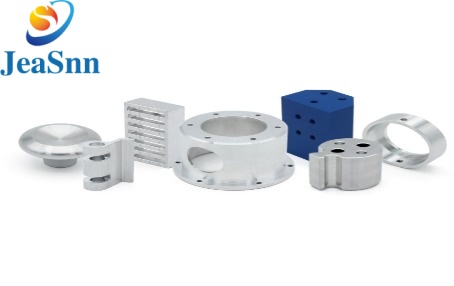
3. Typical CNC Machining Lead Time by Project Type
CNC machining lead times vary and hinge on part complexity, material supply, quantity, surface treatment, quality paperwork, and shop capacity. The classifications below serve only as reference guidance rather than binding delivery promises.
Simple prototypes are usually fast, while complex prototypes take longer. Small batches have medium lead times, and high-volume orders need longer overall cycles. Special alloys and precision parts with extra finishing also extend schedules. Approved repeat orders tend to have stable turnaround. Always ask suppliers to break down lead time for better risk assessment and comparison.
4. How to Reduce CNC Machining Lead Times Without Sacrificing Quality
Shorter CNC lead times rely on aligned work among design, procurement, engineering, and production teams. The core is to cut unnecessary waiting and rework, instead of rushing machining operations blindly.
4.1 Submit Complete RFQ Documents
Full RFQ packages help suppliers evaluate DFM, calculate workload, and spot risks in advance. Prepare engineering drawings, CAD files, material grades, quantities, tolerances, finishing specs, and target lead time. Supply assembly interface details if needed. Well-organized RFQ data minimizes back-and-forth queries and delivers accurate quotes.
4.2 Confirm Material Availability Early
Raw material procurement is a common bottleneck, especially for exotic grades. Verify stock status at the quoting stage. For repeat orders, negotiate material reservation plans when feasible. Any material replacement must gain engineering approval to meet functional demands.
4.3 Apply Design for Manufacturability
Optimize designs to remove features that cause extra setups or long cycle times. Standardize drill sizes, simplify non-critical profiles, relax over-tight tolerances, and avoid custom tooling for non-essential features. Early DFM review works far better than post-production redesign.
4.4 Select the Appropriate Manufacturing Process
Match the process to part geometry and batch volume. CNC turning suits rotary parts like shafts and pins; milling fits brackets and housings. Mill-turn machines can cut handling and re-fixturing for mixed-feature components. High-end equipment is not always optimal — equipment availability and workflow count more.
4.5 Finalize Finishing and Inspection Requirements Upfront
Last-minute requests for plating, anodizing, heat treatment, laser marking, or inspection paperwork delay delivery. Lock all surface treatment standards and define critical dimensions to be inspected after finishing, together with required quality reports, before kick-off.
4.6 Plan Repeat Orders and Production Batches
Stable drawings, fixed materials and predictable volumes let suppliers arrange resources efficiently. Share demand forecasts to support stock and capacity planning. Optimize batch sizes to balance setup cost, inventory expense, storage limits and delivery targets.
4.7 Choose a Supplier With Relevant Capabilities
Pick vendors with proven experience for your component type, proper machines, reliable material sourcing and standardized QA workflows. Integrated services for machining, finishing and inspection reduce cross-supplier handovers, but always validate their actual lead-time performance for your project.
5. CNC Machining Lead Time vs. Cost: Finding the Right Balance
Lead time and machining cost are closely linked, yet cutting delivery time does not automatically lower expenses. Expedited raw material sourcing, priority machine scheduling, extra shifts, or premium shipping can shorten lead time but push up overall costs. In contrast, design optimization and proper process selection may deliver faster turnaround at a lower cost, as long as engineering specifications are fully met.
Buyers need to assess multiple cost components comprehensively: unit part price, setup charges for programming and fixturing, expedite fees, secondary finishing expenses, inspection and documentation fees, plus packaging and logistics costs.
Prototyping typically prioritizes speed for design verification, while mass production focuses on consistent quality, stable unit pricing and reliable replenishment. It is advisable to share your target delivery schedule with suppliers, so they can outline feasible production paths, potential schedule risks and the cost trade-offs of rush services. The target is to hit your delivery timeline without excess spending or quality compromise.
6. Custom CNC Machining Services for Your Delivery Requirements
Picking a reliable manufacturing partner plays a key role in controlling CNC machining lead times. At CNCPartschina.com, purchasers of custom CNC metal components are recommended to define clear technical specs and communicate quantity, material, surface treatment, and delivery expectations at an early stage.
We produce precision shafts, bushings, pins, spacers, fasteners, brackets, and other custom metal parts. Our production plan is tailored to each project’s actual geometry, tolerance demands, raw material availability, and inspection standards.
When submitting a quote request, please share drawings or 3D CAD files, confirm material grade and order volume, and list any special finishing or quality documentation requirements. If you have a firm deadline, advise us of your target delivery date so we can evaluate schedule feasibility prior to production.
Our thorough technical review helps spot potential production bottlenecks, align on process details, and prevent unnecessary hold-ups.
Email:engineer@cncpartschina.com
Looking for custom CNC machined components for your upcoming project? Send your drawings, material specifications, quantity, and target lead time to CNCPartschina.com. We will prepare a quotation and work out a matched manufacturing solution for you.